



CFM
CFM (Council of Foreign Ministers)
Testing Global Conscience: Collective Security and Regional Inviolability Against Occupation Threats
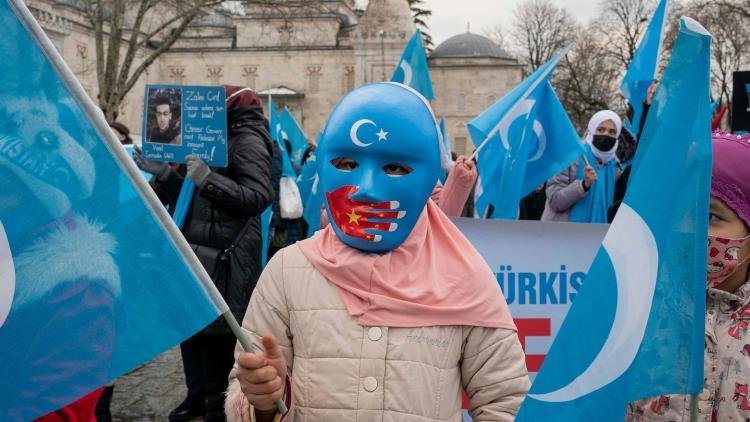
Operating under the Council of Foreign Ministers, this committee addresses occupation threats in Gaza, the West Bank, and Southern Lebanon. Delegates will craft deterrence diplomacy tools, strengthen civilian protections under international law, and develop early warning mechanisms for oppressed communities in Myanmar and East Turkestan.
Arabic Language
Capacity: 40 Delegates

President Chair

Vice Chair

Reporter

USG
ACAS
Collective Security and Regional Inviolability Against Occupation Threats
As a cornerstone of the upcoming Model Organisation of Islamic Cooperation (MOIC), the Council of Foreign Ministers (CFM) convenes at a critical juncture in history. This committee serves as the premier diplomatic forum for addressing the most urgent challenges to territorial integrity and the preservation of human dignity within and beyond the Islamic world. Under the theme “Testing Global Conscience,” delegates are called to move beyond traditional condemnation and toward the creation of a tangible, collective security framework that rejects the normalization of occupation.
The CFM will center its deliberations on three critical pillars of regional stability:
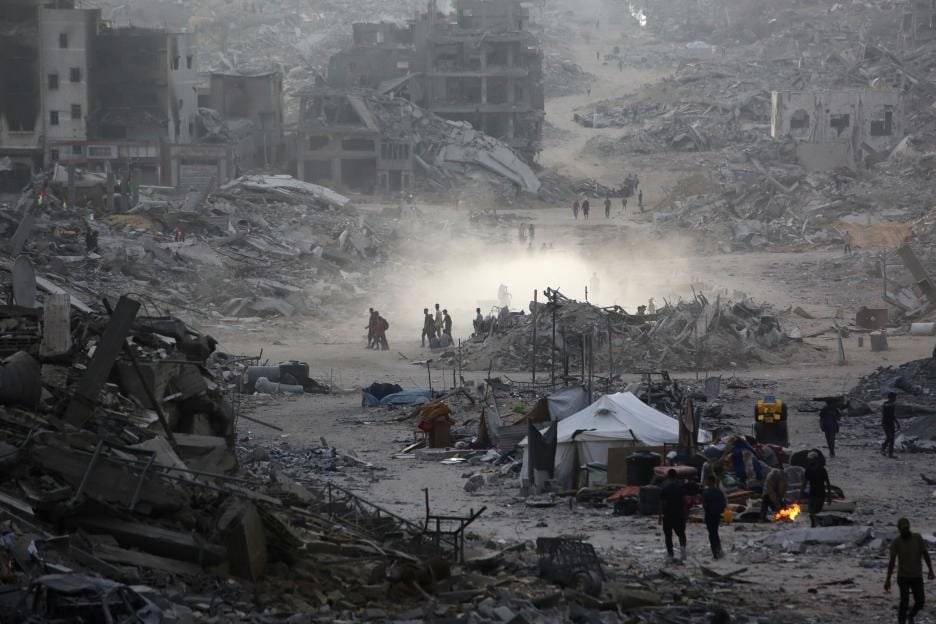
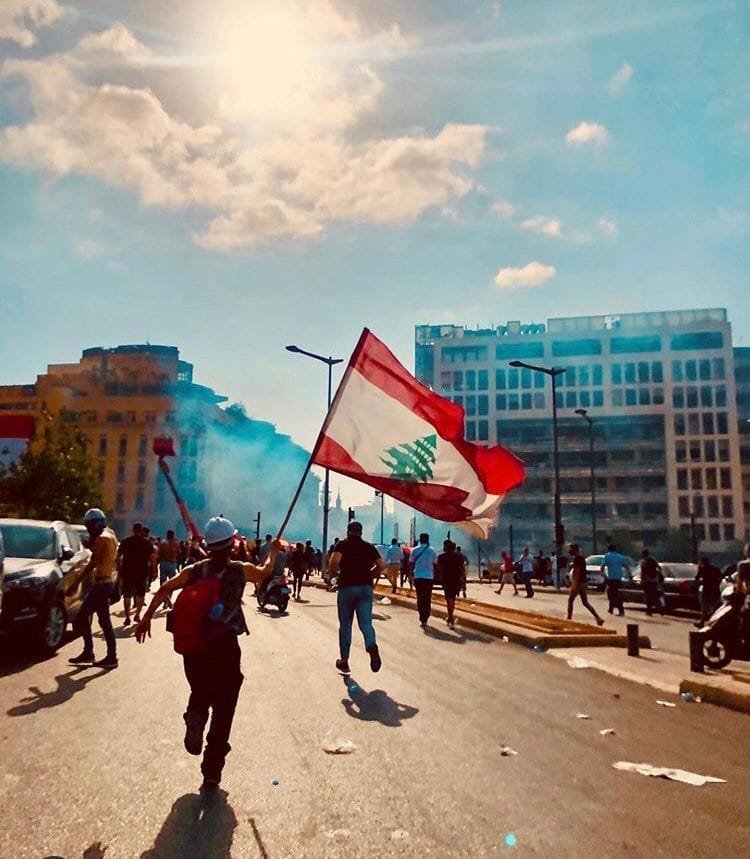
Deterrence Diplomacy in the Levant: Delegates will confront the intensifying occupation threats in Gaza, the West Bank, and Southern Lebanon. The mandate is to craft sophisticated diplomatic tools that discourage territorial encroachment and uphold the principle of regional inviolability through strategic multilateralism.
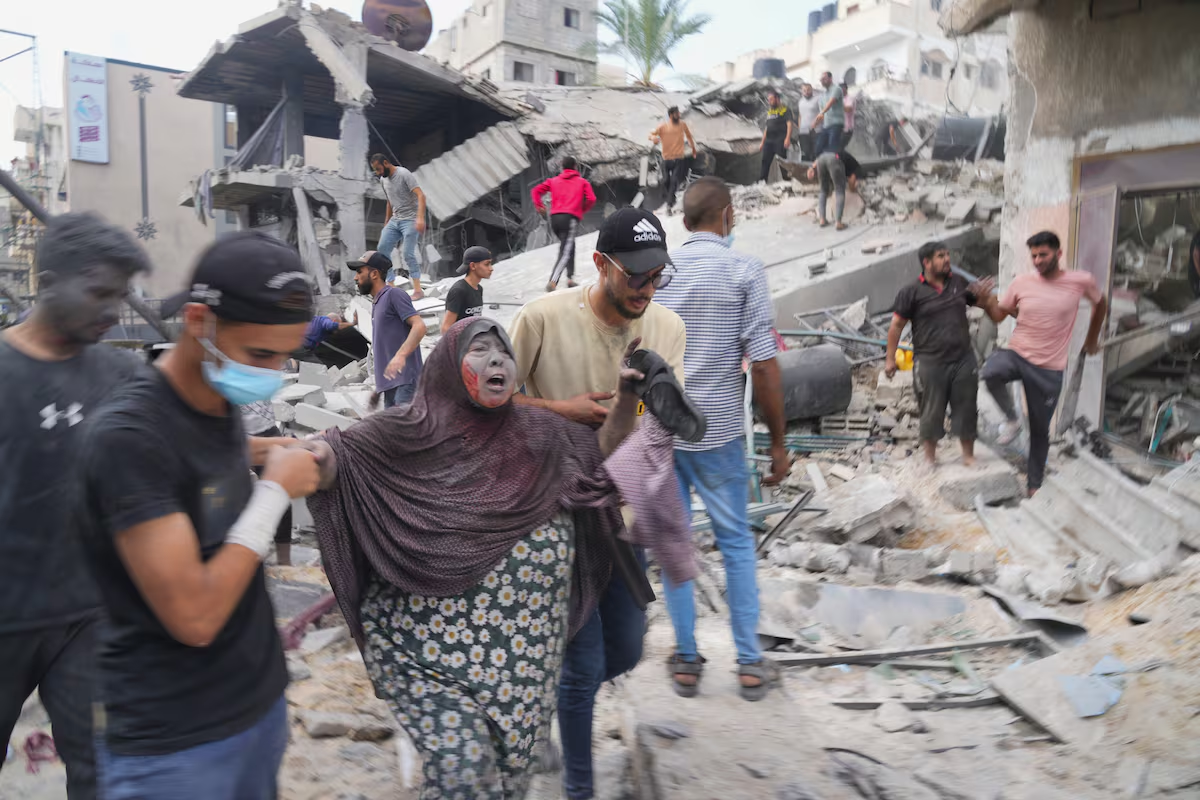
Fortifying International Humanitarian Law: In response to the erosion of civilian safety, the committee will focus on strengthening protections for non-combatants. This involves refining the application of international law to ensure that civilian infrastructure is never a target and that accountability for violations is both swift and impartial.
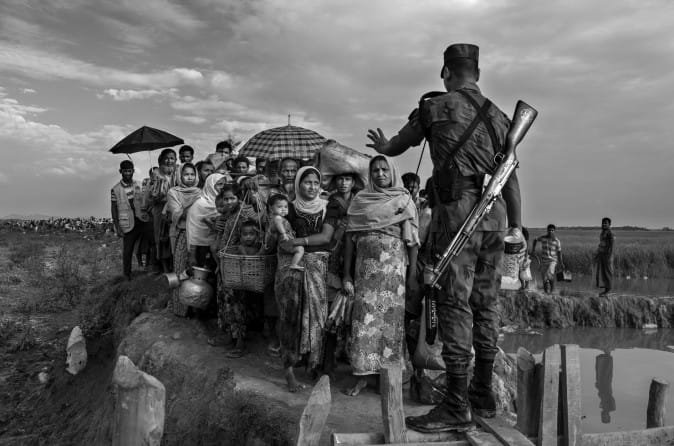
Early Warning & Preventive Action: Recognizing the systemic oppression faced by communities in Myanmar and East Turkestan, the council will work to develop advanced “Early Warning Mechanisms.” These frameworks aim to identify and mitigate threats of mass displacement or systemic rights violations before they escalate into irreversible crises.
In this high-stakes environment, delegates must balance the complexities of national interest with a shared commitment to the “Global Conscience.” The CFM demands visionary policy-making, a rigorous understanding of international legal precedents, and the courage to propose a new security architecture that ensures the most vulnerable among us are no longer left to the whims of the powerful.